Between Global Vision and Local Reality
Since the Rio Conference in 1992, the world has been grappling with one of the most complex questions of the modern era:
How can cities be developed in a sustainable, healthy, and resilient manner—without compromising the quality of life of their residents?
Over recent decades, a clear and direct link has been established between sustainable urban infrastructure and public health. Air quality, street design, access to green spaces, transportation systems, clean water, and community health services all have a profound impact on human health in cities.
This is where a key concept comes into focus: urban resilience.
What Is Urban Resilience?
Urban resilience represents a holistic view of the city and the everyday challenges faced by local authorities. It is a broad concept that includes preparedness for extreme events, but also smart day-to-day planning that promotes health, well-being, and quality of life.
Urban resilience integrates:
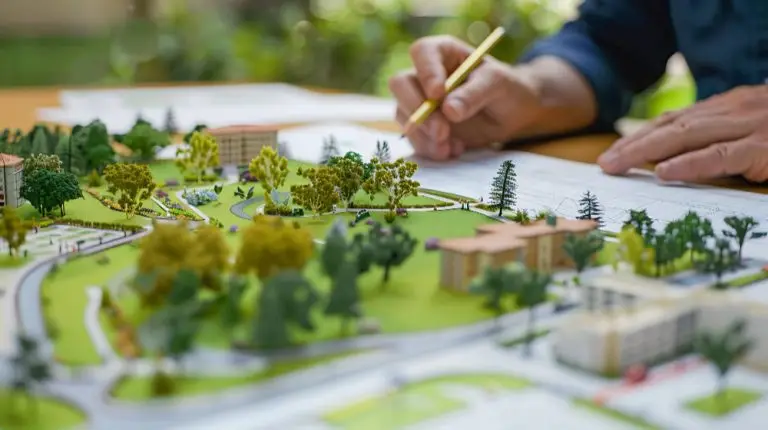
Smart city planning through a sustainability-oriented approach
The use of green technologies
Strengthening health and community infrastructure
Targeted interventions in disadvantaged neighborhoods and developing communities
The goal is not only to “respond to crises,” but to build cities that proactively reduce health, social, and environmental risks.
Healthy Cities: Not a Luxury, but National Infrastructure
Advancing healthy cities in Israel requires a profound shift in perception. Local authorities and government ministries must develop clear, binding indicators for urban resilience and sustainable development—linking urban planning, infrastructure, and the health sector.
While many countries have already adopted mandatory standards and regulations for healthy cities, Israel still faces a significant gap. In practice, many cities operate without structured national indicators, placing Israel behind other developed countries.
Existing Gaps: Infrastructure and Health
One of the main challenges is the lack of stringent standardization in areas that directly affect morbidity:
Air pollution
Drinking water quality
Housing conditions and building health
Availability of community health services
Mapping of neighborhoods with low socio-economic status in Israel reveals a significant shortage of community health services. Vulnerable populations are more exposed to environmental hazards, yet receive less systemic support.
This calls for a fundamental shift—one that includes regulation, funding, and incentives for developing community services, with an emphasis on prevention rather than treatment.
Public Space Planning as a Health Tool
The central mission of the health system—at both national and local levels—is to move from a treatment-oriented approach to a preventive one.
Proper planning of public space is one of the most powerful tools for reducing morbidity.
Green spaces, walkable streets, high-quality public transportation, accessibility to services, and pollution reduction are not merely planning issues—they are public health interventions.
The Way Forward: Indicators, Collaboration, and National Leadership
To achieve long-term goals, it is necessary to build:
Smart and sustainable city infrastructure
An urban resilience index to serve as a practical tool for local authorities
Clear standards for the operation of health institutions within the city
Responsibility is shared among several government ministries, but the Ministry of Health must lead the effort. Key partners include:
The Ministry of National Security – disaster and emergency preparedness
The Ministry of Environmental Protection – promotion of urban sustainability
The Ministry for Social Equality – reducing gaps and improving quality of life
The Prime Minister’s Office – advancing a comprehensive national interest
In Conclusion
A healthy city is a resilient city.
Urban resilience is not a luxury—it is essential infrastructure for high-quality urban life, today and in the future.
The transition from “functioning” cities to “healthy” cities requires systems thinking, clear policy, and collaboration among government, local authorities, the private sector, and the public.
It is a challenge—but also an opportunity.
An opportunity to shape cities that truly benefit their residents, strengthen communities, and deliver lasting quality of life over time.